

Testosterone therapy can cause acne, increased red-cell production, blood-pressure increases, fluid retention and reduced sperm production. Risks also vary by formulation, including gel transfer and injection or implant reactions. Large trials clarify some cardiovascular and prostate questions but do not establish lifetime safety or make every adverse event equally unlikely. Follow-up should combine symptoms, examination, correctly timed testosterone testing and targeted safety measurements.123
Key points
- Feeling well does not exclude a rising hematocrit or blood pressure.12
- TRAVERSE found no excess in its primary major cardiovascular composite, while several other adverse events were more frequent.3
- Removal of cardiovascular boxed-warning language did not remove all product-specific boxed warnings.245
Which side effects can occur with replacement therapy?
Replacement testosterone has effects across several tissues, so its adverse effects do not fit into one symptom list. Skin oiliness or acne can be visible. Fluid retention can cause swelling. Red-cell production can increase without an obvious symptom, and suppression of reproductive signaling may only become apparent when fertility is assessed. 1
A complete review identifies the formulation, exposure and reason for treatment. Adverse effects reported with supraphysiological anabolic use cannot simply be assigned the same frequency in replacement therapy. Equally, a replacement prescription does not make an excessive level or a concerning response harmless. 1
The most useful first distinction is between a symptom requiring prompt evaluation, a laboratory trend requiring treatment review and a formulation-specific issue. That structure makes the evidence actionable without turning every possible adverse reaction into an expectation.
Which visible changes deserve a routine treatment review?
Acne, oily skin, breast tenderness, swelling and bothersome changes around an administration site should be discussed with the clinical team. The treatment, another medicine or an unrelated condition may contribute. Record when the change started, whether it follows administration and whether it is getting worse. 1
Acne can be treated as a skin condition while the prescriber evaluates testosterone exposure. Breast symptoms should be examined rather than automatically treated with an additional hormone drug. Persistent or progressive edema needs assessment, especially when cardiac, kidney or liver disease is present. 1 4
The dedicated article on hair loss and acne separates androgen-sensitive tissue changes from proof of an excessive blood level. A visible change can be a reason to reassess treatment, but it does not replace a measured testosterone concentration or identify the correct response by itself.

Which adverse effects can develop without symptoms?
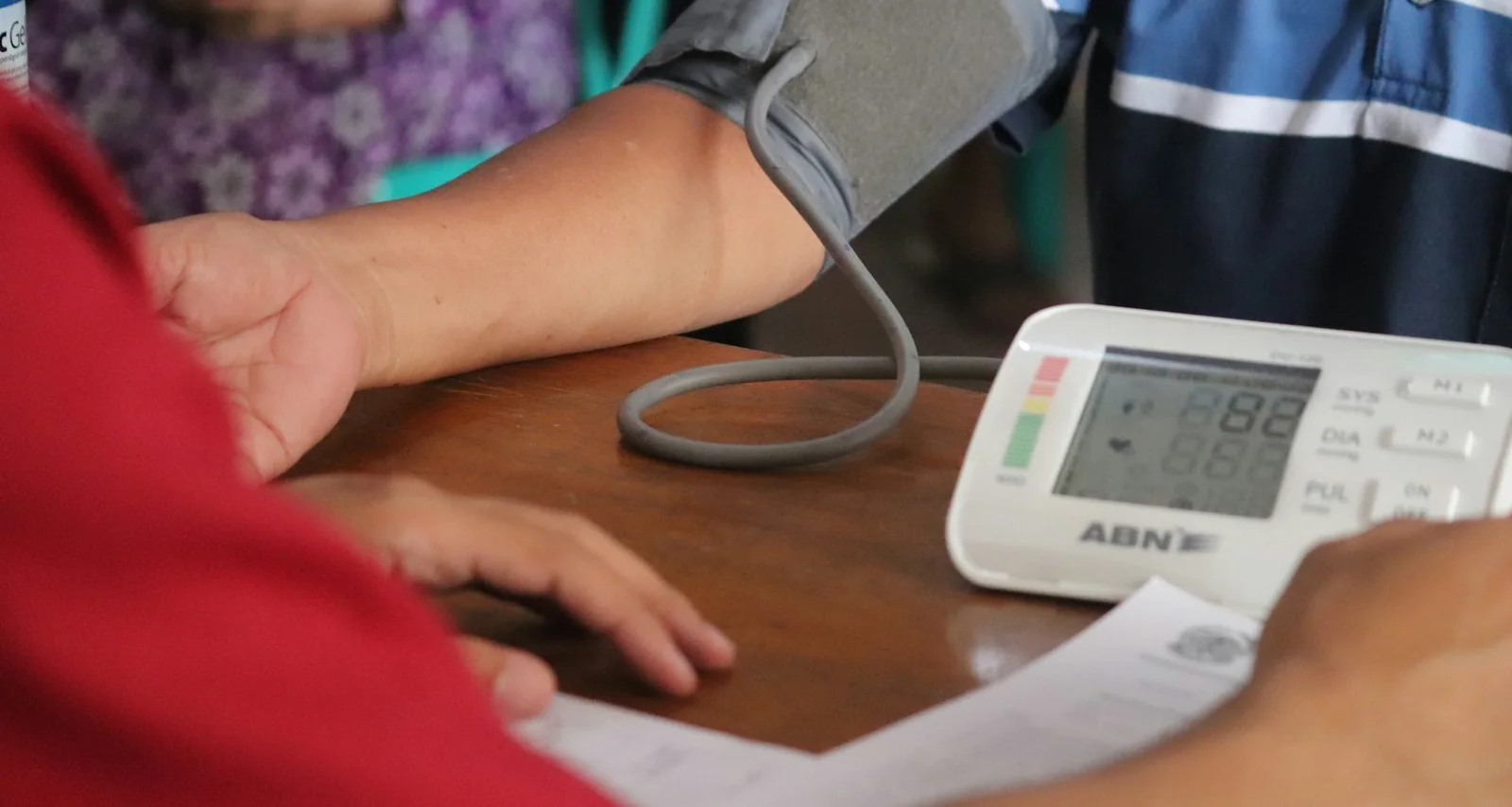
Hematocrit and blood pressure can rise while someone feels well. Hematocrit is the fraction of blood volume occupied by red cells. Testosterone stimulates red-cell production, which can correct anemia in some men but become excessive in others. Blood-pressure change is a separate phenomenon and requires separate measurement. 1 2
| Signal | What it may indicate | Appropriate clinical question |
|---|---|---|
| Increasing hematocrit | Excess red-cell response, sometimes with additional contributors. 1 | Is exposure appropriate, and are hypoxia or sleep apnea contributing? |
| Rising blood pressure | A cardiovascular risk factor that can worsen during treatment. 2 | Is the rise sustained, and does the treatment plan need revision? |
| Reduced sperm count | Suppression of reproductive signaling. 1 | Are conception plans and alternatives being addressed? |
| New PSA change | A prostate-related signal with several possible causes. 1 | Does a confirmed change require urological evaluation? |
| No symptom improvement | The original complaint may not be explained by testosterone deficiency. 1 | Is continued treatment still justified? |
The table deliberately separates inadequate benefit from toxicity. Both matter to whether a medicine is worth continuing. See monitoring tests during therapy for how these questions differ from the tests used to make the original diagnosis.
What did TRAVERSE settle about cardiovascular risk?
TRAVERSE provides reassuring evidence for a defined major cardiovascular endpoint in a defined population. Men aged 45-80 with symptoms, two low testosterone measurements and established or increased cardiovascular risk received gel or placebo. Major cardiovascular events occurred in 7.0% versus 7.3% over a mean follow-up of about 33 months, meeting the trial's noninferiority criterion. 3
The same report observed higher incidences of atrial fibrillation, acute kidney injury and pulmonary embolism in the testosterone group. These findings should not be merged with the primary composite into a claim that every outcome was unchanged. Nor does the trial establish the safety of every route, unmonitored exposure or decades of use. 3
FDA used TRAVERSE and blood-pressure studies to revise labeling in 2025. Blood-pressure warnings were added or strengthened while cardiovascular boxed-warning language was removed. The heart-health evidence therefore supports a more precise discussion, not a universal declaration of safety. 2
Which warnings belong to the delivery method?
The delivery method adds hazards that are separate from testosterone's systemic effects. AndroGel 1.62% retains a boxed warning for secondary exposure, with special concern for children contacting treated skin. Handwashing, covering dried application sites and following product-specific contact precautions are essential parts of its use. 4
Aveed, a long-acting testosterone undecanoate injection, retains a boxed warning for serious pulmonary oil microembolism and anaphylaxis. Its label requires a healthcare setting and 30-minute observation after each injection. These are not generic instructions for every testosterone injection. 5
Pellets add insertion-site and adjustment issues, while other injections can cause local reactions. The route comparison helps separate these product-specific burdens. A headline stating that testosterone has no boxed warning misses the fact that different boxes address different risks.
What about the prostate, bones and future fertility?
TRAVERSE's prostate analysis found low rates of high-grade and overall prostate cancer and no significant differences in assessed prostate events between groups. Participants were screened to exclude high-risk presentations, and the follow-up was too short to establish lifetime cancer risk. The result does not automatically apply to someone with untreated prostate cancer or a suspicious baseline evaluation. 6
Bone density and fracture outcomes also differ. In the TRAVERSE fracture subtrial, clinical fractures occurred in 3.50% of testosterone-treated men and 2.46% of placebo-treated men over median follow-up of 3.19 years. Testosterone should not be described as proven fracture prevention on the basis of improved bone density. 7
Fertility deserves attention even when it is not an immediate goal. External testosterone can markedly reduce sperm production. Choosing another replacement route does not remove that mechanism, and a satisfactory blood level does not establish adequate sperm output. 1

When should a new problem be assessed urgently?
New chest pain, severe shortness of breath, stroke-like symptoms, or a painful swollen leg require urgent assessment. These symptoms should not wait for a routine hormone appointment. Product labels specifically call for evaluation of possible deep vein thrombosis or pulmonary embolism, and serious allergic symptoms after an injection require immediate care. 4 5
Less urgent changes still deserve a defined response. Bring the actual medication list, product name, administration timing, blood-pressure record and recent results. Do not independently add blood donation, an estrogen-lowering medicine or a supplement to make an abnormal result disappear. The cause and the treatment plan need review.
FDA reported another requested labeling update in June 2026 concerning age-related limitation and prostate/BPH language. That update does not erase measured adverse effects or replace the applicable product label. The practical aim remains the same: establish whether a problem is related, treat it appropriately and reassess whether the original benefit warrants continued exposure. 8
Common questions
Are all side effects permanent?
No single answer applies. Some effects can improve after a clinician changes or stops treatment, while recovery depends on the effect, formulation, duration and underlying condition. Fertility recovery and clearance of a long-acting preparation are not immediate processes.1
Can I have a side effect with a normal testosterone level?
References
- 1.Bhasin S, et al. Testosterone Therapy in Men With Hypogonadism: An Endocrine Society Clinical Practice Guideline. JCEM. 2018.
- 2.FDA. FDA issues class-wide labeling changes for testosterone products. February 28, 2025.
- 3.Lincoff AM, et al. Cardiovascular Safety of Testosterone-Replacement Therapy. NEJM. 2023.
- 4.ASCEND Therapeutics. AndroGel 1.62% prescribing information. DailyMed, revised October 2025.
- 5.Endo USA. Aveed prescribing information. DailyMed, effective July 15, 2025.
- 6.Bhasin S, et al. Prostate Safety Events During Testosterone Replacement Therapy in Men With Hypogonadism: A Randomized Clinical Trial. JAMA Network Open. 2023.
- 7.Snyder PJ, et al. Testosterone Treatment and Fractures in Men with Hypogonadism. NEJM. 2024.
- 8.FDA. Testosterone Information. Current page accessed October 5, 2026.
This article is for general education, not medical advice, diagnosis or a treatment recommendation. A licensed clinician can interpret the evidence in the context of your symptoms, tests, medicines and fertility plans.