

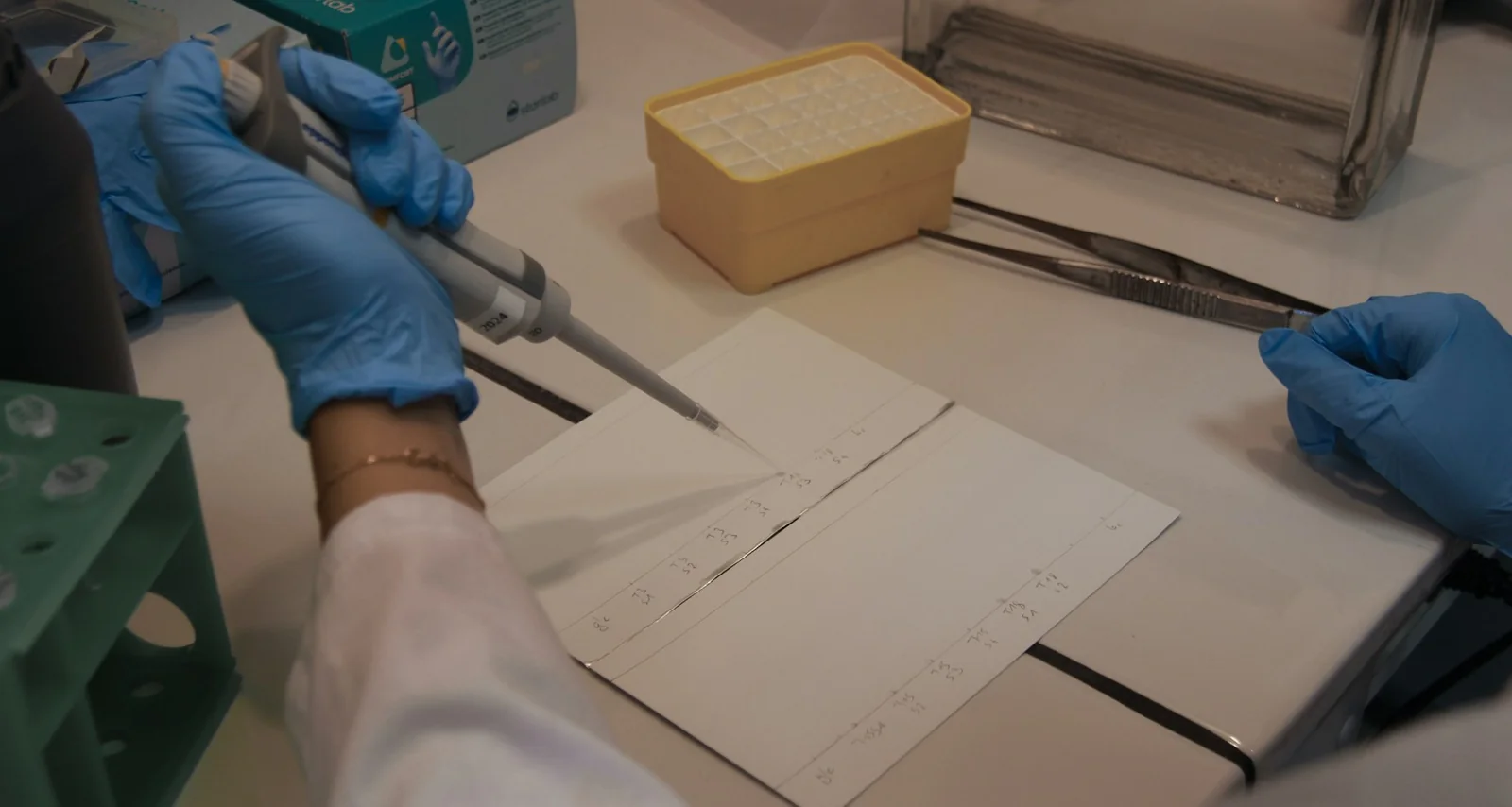
Monitoring testosterone therapy combines a correctly timed testosterone measurement with symptom review, hematocrit and blood-pressure assessment. Prostate evaluation and additional tests depend on age, risk, symptoms and the product used. Baseline diagnostic testing is a separate process. The timing of a monitoring testosterone sample must follow the actual formulation, because a pre-dose gel level, an injection trough and an oral post-dose sample are not interchangeable.1234
Key points
- Pretreatment morning testing and treatment monitoring answer different questions.1
- Product-specific sampling instructions can differ from broad formulation guidance.3456
- A normal testosterone result does not replace review of blood count, blood pressure or clinical benefit.17
How does monitoring differ from diagnosing low testosterone?
Diagnosis asks whether a man has compatible symptoms or signs and consistently low endogenous testosterone. Before treatment, the Endocrine Society recommends repeat morning fasting testing and evaluation of the cause, with LH and FSH used to distinguish testicular from hypothalamic or pituitary problems. 1
Monitoring begins after a medicine changes that system. It asks whether the prescribed exposure is appropriate, whether the intended outcome improves and whether unwanted effects appear. Once external testosterone suppresses reproductive signaling, LH and FSH no longer represent the same untreated baseline. A low result during treatment should not automatically be used to reconstruct the original diagnosis. 1
Keeping these purposes distinct prevents a common error: treating a normal on-treatment testosterone level as proof that the pretreatment workup was adequate. The diagnosis guide describes that earlier process. A prescription response cannot retrospectively establish why the original level was low.
What belongs in a core follow-up review?
The core review combines benefit, exposure and safety. A useful appointment returns to the presenting symptom, reviews use of the medicine, checks new adverse effects and interprets the relevant measurements. A laboratory panel without this conversation cannot determine whether treatment remains worthwhile. 1 2
| Item | Question it answers | Important limitation |
|---|---|---|
| Timed testosterone | Is exposure appropriate at the product-specific assessment point? 1 | A number without administration timing may mislead. |
| Hemoglobin and hematocrit | Is the red-cell response excessive? 1 | A normal value does not exclude other adverse effects. |
| Blood pressure | Has a cardiovascular risk factor increased? 7 | It is not captured by a testosterone blood test. |
| Symptoms and function | Has the original treatment goal improved? 2 | A laboratory target alone does not establish benefit. |
| Prostate assessment when appropriate | Do risk, symptoms or PSA changes need evaluation? 1 | PSA is not a cancer diagnosis by itself. |
| Targeted additional tests | Is a specific new problem or comorbidity present? 1 2 | More tests are useful only when they inform a decision. |
The table is a framework, not a universal order form. Current labeling, the underlying diagnosis and individual risk can require additional or more frequent assessment.
When should the testosterone sample be collected?
The correct time depends on the exact formulation. AndroGel 1.62% labeling uses a pre-dose morning testosterone concentration for titration. Xyosted uses a trough assessment. Kyzatrex uses a sample three to five hours after the morning administration, while Tlando uses eight to nine hours afterward. 3 4 5 6
Those examples show why a general instruction such as always draw first thing before all medicines can be wrong for a monitoring visit. Broad guideline tables can also differ from a specific product label. The prescribing team should provide clear instructions for the medicine in use and the decision being made.
Record the product, administration time, blood-draw time and any missed administrations. For oral preparations, the meal context can matter as well. A change in the sampling point can create an apparent rise or fall without a comparable change in exposure. The oral and injectable comparison describes these distinctions in more detail.

How should the blood count be monitored?
The Endocrine Society recommends hematocrit before treatment, at three to six months after starting, and annually thereafter. A high baseline value, a rising trend or product-specific instructions can justify a different interval. Some oral product labels call for approximately three-monthly monitoring. 1 5
A hematocrit above 54% is an intervention threshold in Endocrine guidance, with treatment withholding, evaluation for hypoxia and sleep apnea, and reassessment before restarting. This is clinician-led management rather than an instruction for a patient to independently change therapy or arrange recurring donation. 1
The hematocrit guide explains why baseline thresholds and research cutoffs differ. A single result should be considered alongside prior values, symptoms, exposure and other contributors. Waiting for an arbitrary anniversary is inappropriate when a result already requires review.
Why is blood pressure part of a hormone-treatment review?
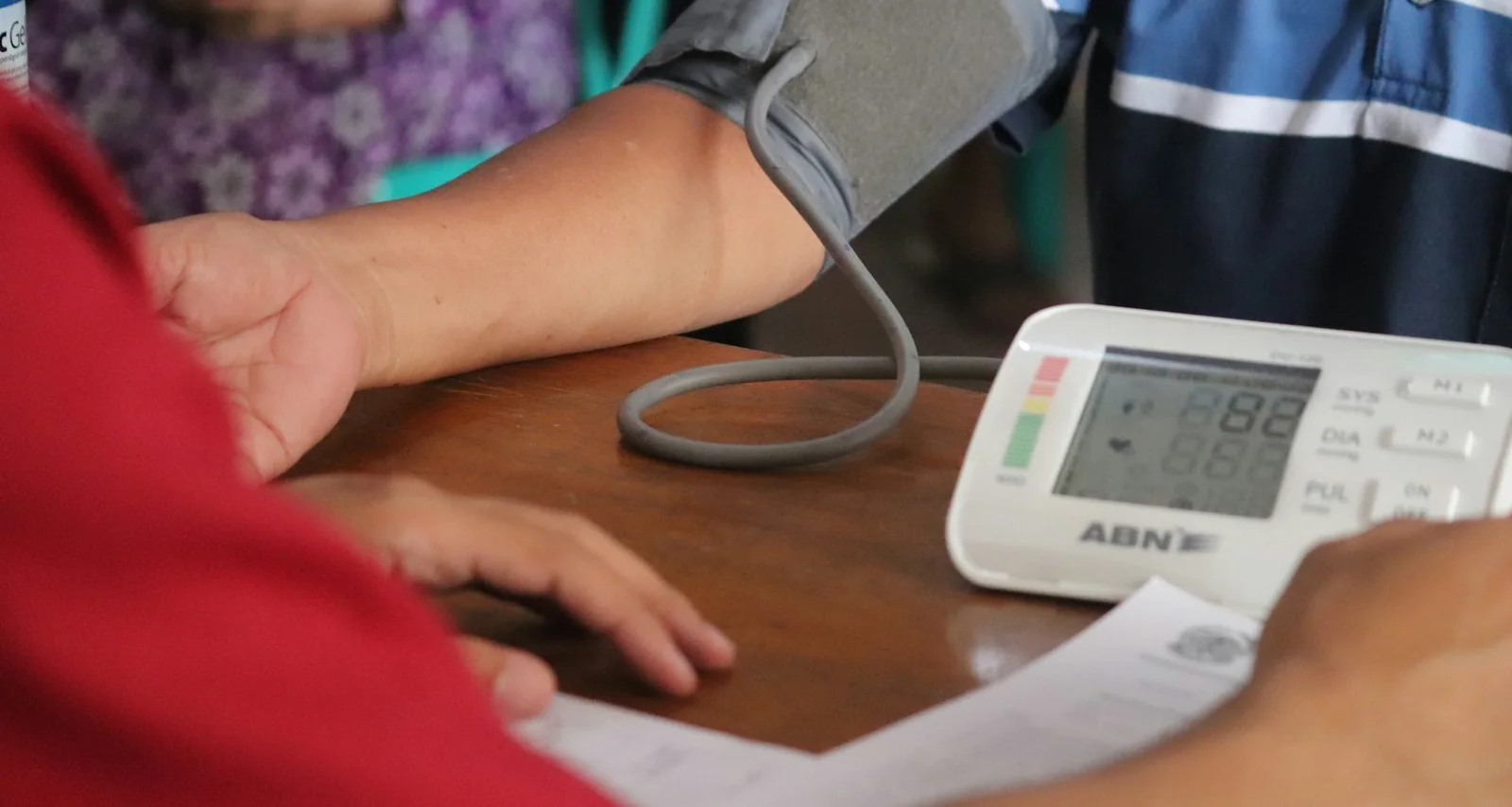
Testosterone can increase blood pressure. FDA's February 2025 class-wide action required new or updated blood-pressure warning information following ambulatory monitoring studies. Removing boxed-warning language about adverse cardiovascular outcomes did not remove this monitoring need. 7
Blood pressure is especially useful because it cannot be inferred from how energetic someone feels or from whether testosterone is in range. A home record may help a clinician assess the pattern, but the device, technique and interpretation still matter. The product label and baseline cardiovascular context guide the plan.
A sustained increase should prompt a review of the overall situation, including other medicines and the continuing value of testosterone. It should not simply be accepted as the price of reaching a preferred hormone number. Cardiovascular trial results address major events in specific populations; they do not replace management of an individual's rising blood pressure.
Does everyone need estradiol, liver tests or a prostate panel?
Additional testing should follow the product label, history and clinical question. Prostate monitoring involves shared decisions based on age and risk, with evaluation of confirmed concerning changes. The Endocrine Society describes specific referral triggers during the first year for men undergoing prostate monitoring. 1
Estradiol can be relevant when breast symptoms or gynecomastia need assessment; it is not a stand-alone explanation for every mood, libido or fluid complaint. The AUA discusses targeted estradiol measurement in this context. Automatically treating a laboratory number without a relevant clinical question can create unnecessary treatment. 2
Liver, lipid, metabolic or bone assessments may be appropriate because of product instructions, an existing condition or a specific concern. Semen analysis answers a fertility question that routine hormone tests cannot. A helpful request is to ask what decision each proposed test will change, rather than assuming that the largest panel provides the best follow-up.
What should happen if the numbers improve but symptoms do not?
The treatment goal should be reconsidered. AUA guidance recommends discussing cessation after three to six months when testosterone normalizes without improvement in symptoms or signs. Before that decision, establish that administration and sampling were appropriate and review alternative explanations for the complaint. 2
Stable treatment still needs periodic reassessment. The AUA recommends testosterone measurements every six to twelve months while on therapy once the regimen is established, with additional checks guided by changes or concerns. That general maintenance interval should not override a product's earlier titration schedule or a safety issue. 2
A good monitoring plan connects each measurement to a clinical question. It should be possible to explain what is being measured, when the measurement is meaningful, what action a concerning result would trigger and what evidence would justify continuing. That makes follow-up useful to the patient as well as the prescriber.
Common questions
Should I skip my medicine before a testosterone blood test?
Can LH and FSH be interpreted normally while I take TRT?
External testosterone can suppress those signals. Their meaning during therapy differs from their role in diagnosing the untreated cause of low testosterone, so the medication context is essential.1
References
- 1.Bhasin S, et al. Testosterone Therapy in Men With Hypogonadism: An Endocrine Society Clinical Practice Guideline. JCEM. 2018.
- 2.Mulhall JP, et al. Evaluation and Management of Testosterone Deficiency: AUA Guideline. Journal of Urology. 2018.
- 3.ASCEND Therapeutics. AndroGel 1.62% prescribing information. DailyMed, revised October 2025.
- 4.Antares Pharma. Xyosted prescribing information. DailyMed.
- 5.Marius Pharmaceuticals. Kyzatrex prescribing information. DailyMed, effective August 26, 2026.
- 6.Verity Pharmaceuticals. Tlando prescribing information. DailyMed, effective February 25, 2026.
- 7.FDA. FDA issues class-wide labeling changes for testosterone products. February 28, 2025.
This article is for general education, not medical advice, diagnosis or a treatment recommendation. A licensed clinician can interpret the evidence in the context of your symptoms, tests, medicines and fertility plans.