


Testosterone replacement therapy, or TRT, supplies testosterone to men with confirmed hypogonadism. Diagnosis requires compatible symptoms or signs and consistently low testosterone, followed by evaluation of the cause. Treatment can improve some consequences of deficiency, but a higher blood level does not guarantee better energy, erections, or long-term health. TRT also suppresses the hormonal signals needed for sperm production.12
Key points
- A diagnosis combines symptoms, repeated blood tests and investigation of the cause.12
- Different treatment goals have different evidence: sexual symptoms respond more consistently than general fatigue.3
- Blood pressure, hematocrit, treatment response and reproductive plans belong in follow-up.14
What does replacement therapy actually replace?
TRT replaces circulating testosterone that the body is not producing adequately. Testosterone acts in several tissues, including muscle, bone, the brain, reproductive organs and bone marrow. A clinician uses replacement to address a deficiency syndrome, with a treatment target and a plan to judge benefit. Taking testosterone simply because a laboratory result is below a personally preferred number is a different proposition. 1
The word replacement describes the intended physiological goal. It does not mean the medicine precisely reproduces the body's pulses, time-of-day pattern, or concentration inside the testes. Every delivery method creates its own exposure pattern. Blood concentrations also depend on absorption, metabolism and the timing of the sample. Understanding what testosterone does naturally helps explain why raising one blood measurement cannot restore every aspect of hormone biology. 1
How is a treatment decision different from a low test result?
A treatment decision begins with a reliable diagnosis. The Endocrine Society recommends compatible symptoms or signs plus unequivocally and consistently low concentrations, confirmed with repeat morning testing. Free testosterone can help when total testosterone is borderline or binding proteins make it difficult to interpret. LH and FSH help locate the problem in the testes or the brain signals controlling them. 1
In its July 2026 statement, the Society again emphasized two early-morning fasting tests, appropriate assays and reversible contributors such as medications and obesity. Those steps protect against mistaking a temporary reduction, assay difference, poor sleep or another illness for a condition requiring ongoing replacement. 2
The practical question is whether the proposed therapy follows from the cause. Someone with irreversible testicular damage has a different decision from someone whose result was measured during illness. The diagnosis of low testosterone deserves its own appointment rather than being treated as paperwork attached to a prescription.

Which benefits have been demonstrated in trials?
The strongest symptom evidence is selective. In the Testosterone Trials, 790 men aged 65 or older with symptoms and testosterone below 275 ng/dL received testosterone gel or placebo for one year. Sexual activity and desire improved, while the primary vitality outcome did not improve significantly. That population does not establish the size of benefit for every younger man or every cause of deficiency. 3
| Question | What the evidence can support | What it cannot promise |
|---|---|---|
| Will the blood level rise? | Approved products have evidence of testosterone exposure in treated men. 1 | That the symptom was caused by low testosterone. |
| Will sexual symptoms improve? | Selected men with confirmed low levels experienced benefit. 3 | A cure for every cause of erectile dysfunction. |
| Will fatigue improve? | An individual response can be assessed over time. 1 | A reliable energy benefit for all patients. 3 |
| Will bones stop breaking? | Bone density and fracture risk require separate assessment. | TRAVERSE did not show fracture prevention. 7 |
This is an evidence map, not a ranking of which symptoms matter. A modest but meaningful sexual improvement can justify treatment for one person, while a normalized level without improvement in the presenting problem can make continued exposure hard to justify.
How is testosterone delivered?
Common options include skin gels, injections, oral testosterone undecanoate capsules and implanted pellets. The route mainly changes delivery, daily work, sampling requirements and certain risks. It does not eliminate the biological effects of external testosterone. 1
A gel requires consistent application and attention to transfer from treated skin. Injections differ considerably: a shorter-acting vial and a long-acting clinic-administered product are not interchangeable experiences. Oral products have formulation-specific food and monitoring instructions. Pellets reduce day-to-day administration but are less easily adjusted once implanted. 1
An informative gel versus injection comparison therefore asks about household contact, treatment flexibility, symptom fluctuation and practical follow-up. It should also ask how quickly a regimen could be changed if hematocrit rises or the original symptom does not improve. Convenience is relevant because a theoretically suitable regimen may fail if its routine is unmanageable.
Why can a testosterone medicine lower sperm production?
External testosterone feeds back to the hypothalamus and pituitary, reducing the signals that stimulate the testes. Blood testosterone can look satisfactory while testosterone inside the testes and sperm production fall. For a man planning fertility in the near term, the Endocrine Society recommends against starting testosterone therapy. 1
That makes reproductive planning a pretreatment decision, including plans that are uncertain rather than immediate. A discussion may involve semen testing, sperm storage or specialist assessment of options appropriate to the underlying cause. Those are distinct from simply selecting a supposedly fertility-friendly delivery route. 1
The relevant endpoint is the ability to produce usable sperm, not whether testosterone remains inside the laboratory range. The companion explanation of testosterone and sperm production examines why a normal hormone result cannot confirm fertility and why eventual recovery should never be assumed to follow a fixed calendar.
What changed in the safety evidence and FDA labeling?
TRAVERSE compared testosterone gel with placebo in men aged 45-80 who had symptoms, repeated low testosterone and established cardiovascular disease or elevated risk. It found noninferiority for the composite of cardiovascular death, nonfatal heart attack and nonfatal stroke. It did not prove that testosterone prevents those events, and some other adverse events were more frequent. 5
In February 2025, FDA requested removal of boxed-warning language about increased adverse cardiovascular outcomes and required blood-pressure warnings across testosterone products. That is a narrower statement than saying all testosterone warnings disappeared. 4
FDA subsequently reported requested June 2026 changes to age-related limitation-of-use language and prostate/BPH wording. A requested class change and an individual product's posted prescribing information can differ while updates are implemented. The current applicable label still matters. These developments also do not make TRT an anti-aging treatment or remove the need to establish a diagnosis. 6
How should you judge whether treatment is worth continuing?
A useful review compares the original treatment goal with both benefit and burden. Before starting, record the specific problem: reduced desire, unexplained anemia, a consequence of established pituitary disease, or another defined feature. During follow-up, ask whether that problem changed, whether testosterone exposure is appropriate and whether safety measurements remain acceptable. 1
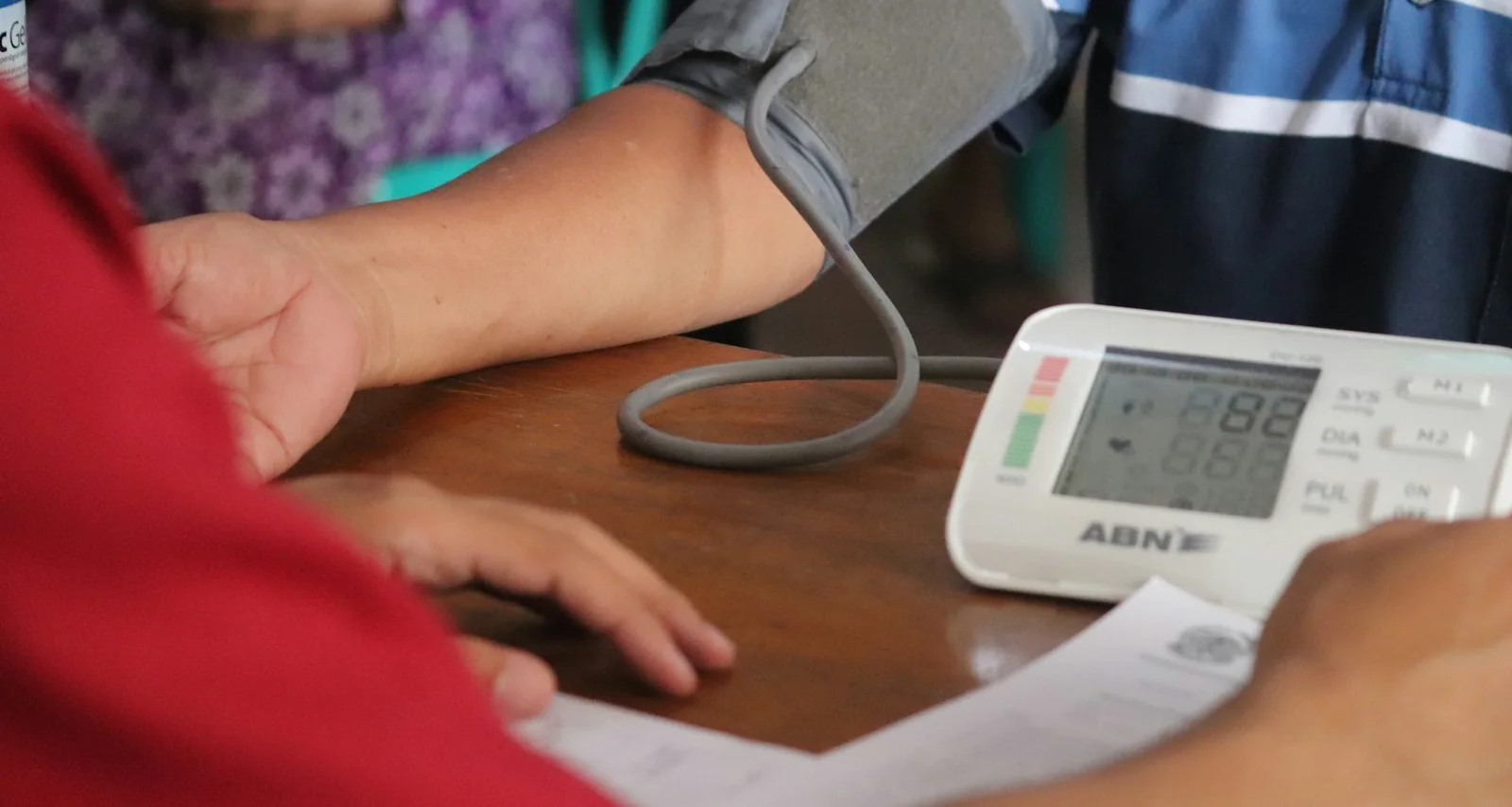
Hematocrit measures the proportion of blood occupied by red cells. Blood pressure measures a different risk. Neither can be replaced by a testosterone number. Prostate assessment depends on age, risk, symptoms and shared decisions, while new swelling, breathing problems or urinary changes call for targeted evaluation. 1
Treatment review has three parts: adequate exposure, meaningful response and acceptable harm. Meeting only the first part demonstrates drug delivery. A review of monitoring during therapy should make all three visible, including a plan to reconsider treatment when the presenting symptom persists.
Common questions
Is TRT the same as taking anabolic steroids for bodybuilding?
Does starting TRT mean lifelong treatment?
Duration depends partly on the cause of deficiency. Permanent testicular or pituitary disease may require long-term replacement, while other situations need reassessment. Stopping also involves drug clearance and recovery of suppressed signaling, so duration should be discussed before treatment begins.1
Can a normal testosterone result prove treatment is working?
It confirms only part of the assessment. The result must be sampled at the correct point for the product, and the original symptoms, adverse effects and safety tests still determine whether treatment is helping.1
References
- 1.Bhasin S, et al. Testosterone Therapy in Men With Hypogonadism: An Endocrine Society Clinical Practice Guideline. JCEM. 2018.
- 2.Endocrine Society. Statement on Testosterone Replacement Therapy. July 16, 2026.
- 3.Snyder PJ, et al. Effects of Testosterone Treatment in Older Men. NEJM. 2016.
- 4.FDA. FDA issues class-wide labeling changes for testosterone products. February 28, 2025.
- 5.Lincoff AM, et al. Cardiovascular Safety of Testosterone-Replacement Therapy. NEJM. 2023.
- 6.FDA. Testosterone Information. Current page accessed October 5, 2026.
- 7.Snyder PJ, et al. Testosterone Treatment and Fractures in Men with Hypogonadism. NEJM. 2024.
This article is for general education, not medical advice, diagnosis or a treatment recommendation. A licensed clinician can interpret the evidence in the context of your symptoms, tests, medicines and fertility plans.