

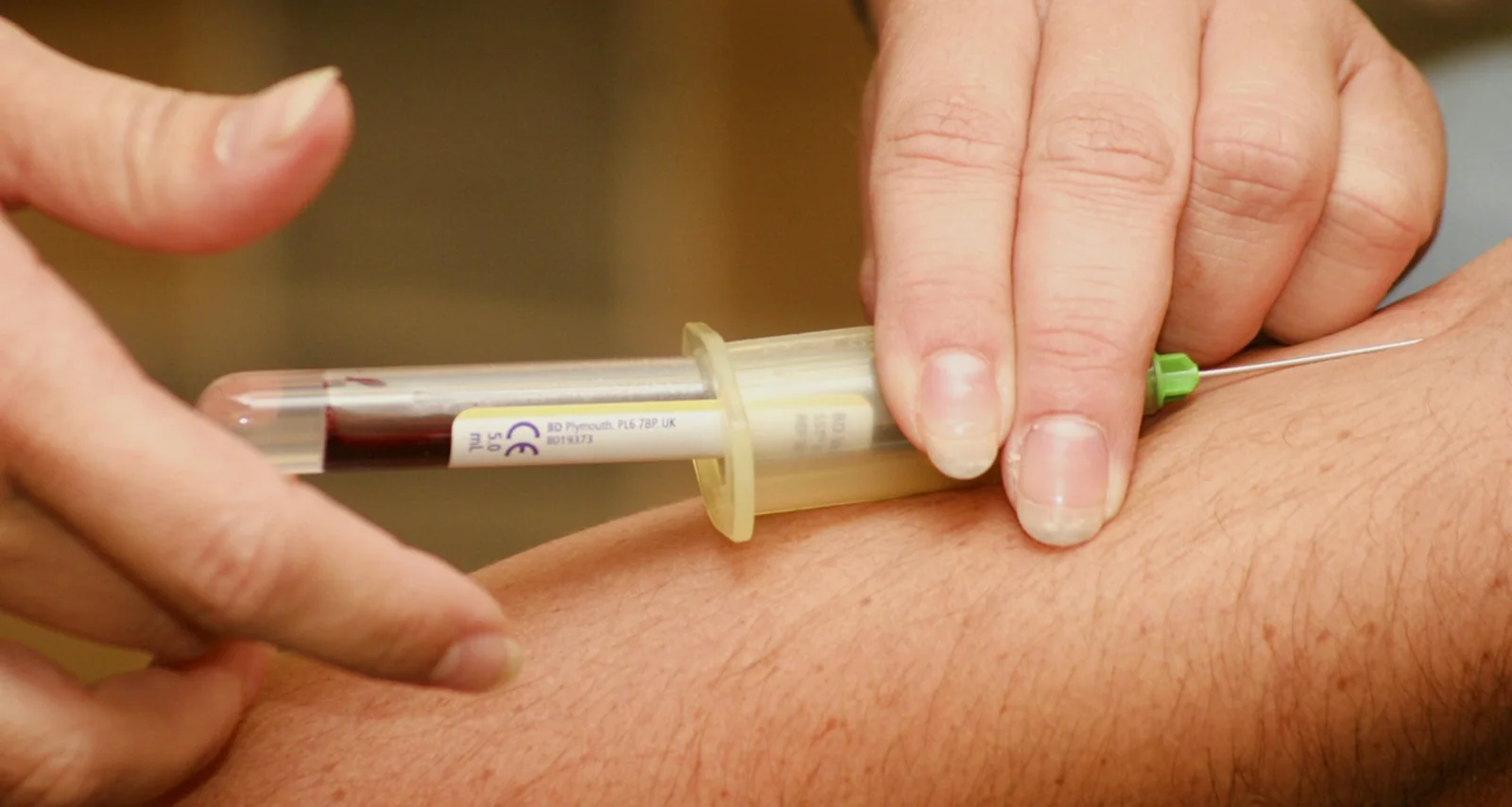
For diagnosing testosterone deficiency, clinicians generally obtain a morning total testosterone test and repeat a low result on a separate morning. The Endocrine Society recommends fasting samples. Sleep schedule, illness, food intake, medications, and the laboratory method can affect interpretation. Monitoring someone already taking testosterone uses product-specific timing and is a different testing question.123
Key points
- A low afternoon measurement should not be treated as equivalent to a confirmed morning diagnosis.2
- Repeat samples should be collected on separate days under comparable conditions.1
- Treatment-monitoring timing depends on the formulation and cannot be borrowed from diagnostic instructions.1
What question should a testosterone test answer?
A testosterone test should answer a defined clinical question: whether symptoms are accompanied by persistent biochemical deficiency, why a prior value was unexpected, or whether a prescribed treatment is producing an appropriate concentration. These questions can require different timing and additional tests.1
For an untreated adult being assessed for possible hypogonadism, total testosterone is usually the first measurement. A low value is confirmed on another morning before a diagnosis is made. Free testosterone may be added when total results are borderline or SHBG is likely to affect interpretation.
The diagnostic workflow explains the decisions that follow. Ordering a large panel without a question can produce several flagged results without revealing which, if any, explains the concern. The collection plan should make the eventual result usable.
Why is morning collection recommended?
Testosterone changes over the day, with morning concentrations generally higher than later values in men following a usual daytime schedule. Diagnostic intervals and clinical recommendations account for that pattern. Standardizing the time reduces avoidable disagreement between samples.1 2
Brambilla and colleagues collected repeated morning and afternoon samples in 66 men aged 30-80. Values in men aged 30-40 were about 20-25% lower at 4 p.m. than at 8 a.m.; the difference was smaller with older age. Some participants with a low afternoon value had normal values at all morning visits.2
The study supports morning testing but does not provide a correction formula for an individual afternoon result. Adding a percentage to a late sample cannot reconstruct the missing morning value. A properly collected repeat is more useful than trying to mathematically rescue unsuitable sampling conditions.

Should you fast before a testosterone blood test?
The Endocrine Society recommends morning fasting testing for diagnosis. Follow the laboratory and ordering clinician's instructions, particularly when other blood tests are being collected at the same visit. If fasting creates a medical issue, such as with diabetes treatment, the collection plan needs individual instructions.1
In a study of 74 men, a 75-g glucose challenge lowered mean testosterone acutely, and some men whose baseline value was normal briefly crossed the study's low threshold. The experiment explains why recent food intake can complicate interpretation. It does not establish that ordinary eating causes chronic testosterone deficiency, or that eliminating a nutrient treats hypogonadism.3
If a sample was collected after eating, record that fact. An unexpectedly low result may need repeating under the recommended conditions. Do not interpret a single post-meal measurement as proof that the body cannot make enough testosterone.
What else should be recorded before the sample?
Recent illness, unusual sleep, prescribed medicines, supplements, and any hormone use can affect the meaning of a testosterone result. The aim is to document ordinary conditions accurately, not to manipulate behavior to obtain a particular number. Acute illness may justify postponing a diagnostic test until recovery.1
Night-shift workers deserve an individualized plan. A clock-time morning sample after working all night is not equivalent to a sample after usual sleep. Tell the clinician when the main sleep period occurs so the collection and interpretation reflect the schedule. This is a situation where a generic 8 a.m. rule may be less informative.
Bring a medication and supplement list, including nonprescribed androgens or products marketed for performance. Do not stop essential medication, deliberately restrict sleep, or change a prescribed regimen solely to influence the result. Those actions can make the test less representative and the clinical decision less sound.
What makes two testosterone tests comparable?
Two samples are more interpretable when major collection details are consistent and recorded. The following table is a practical evidence-based checklist, rather than a claim that every factor has an identical effect in every person.1 2 3 4
| Detail | Why it matters | Useful record |
|---|---|---|
| Time and sleep schedule | Daily rhythm affects diagnostic values 2 | Collection time and usual main sleep period |
| Food intake | Recent feeding can lower concentrations temporarily 3 | Whether the laboratory fasting instructions were followed |
| Health status | Acute illness can suppress testosterone 1 | Recent fever, hospitalization, or significant illness |
| Method and laboratory | Assay differences can look like biological changes 4 | Laboratory, units, reference interval, total or free method |
| Hormone treatment | Dose timing affects monitored concentrations 1 | Product and time since last prescribed administration |
Why are two tests needed if the first one is low?
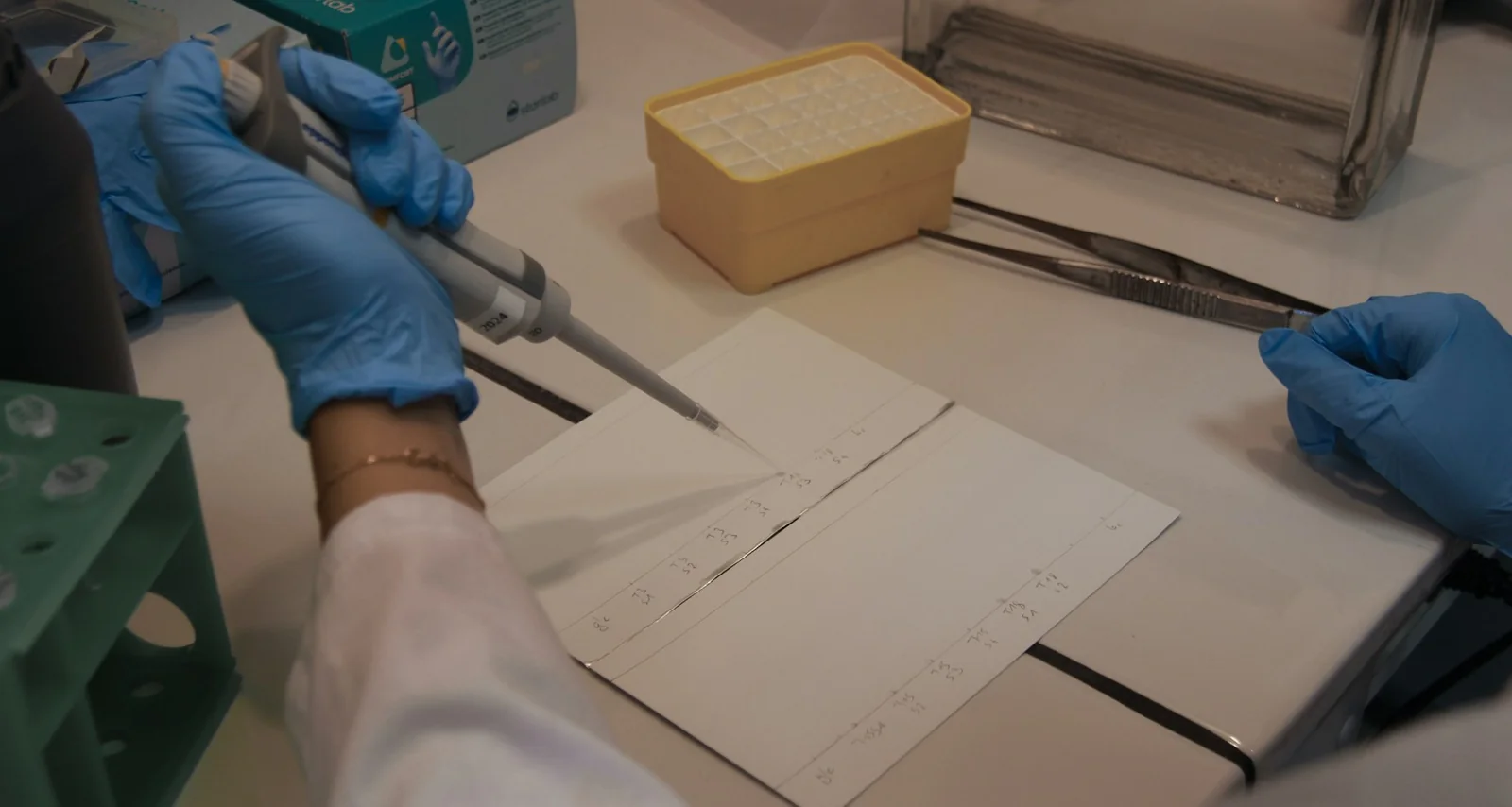
Testosterone varies within a person, and laboratory measurement also has uncertainty. A repeat helps establish whether a low finding persists. It does not need to be an identical number, and a second normal result should prompt interpretation rather than automatic selection of whichever value supports a preferred conclusion.1
If results differ substantially, review timing, illness, food intake, sleep, method, and medicines before considering more tests. Borderline total values may be clarified with SHBG and an appropriate free testosterone assessment. The total and free testosterone guide explains those situations.
Repeat testing is not a contest to capture the lowest possible result. It is a way of estimating the usual state well enough to support a clinical decision. Symptoms and the eventual cause still matter even when both samples fall below a laboratory boundary.
Keep both results in the record. A discordant pair contains useful information about uncertainty; discarding the reassuring value or the low value makes the clinical picture less complete and can bias the eventual interpretation.
What should the laboratory report contain when you review it?
Keep the complete report, not only the result marked high or low. The most useful record includes collection date and time, total or free testosterone, units, reference interval, the laboratory, and the method when supplied. If free testosterone was calculated, retain the associated SHBG and albumin information and the reported calculation method.1 4
That record matters when results differ. A value may appear to have doubled because the units changed, or a free result may look lower because the laboratory used a different procedure. An analyzer can be performing correctly while two reports still require different interpretation. A screenshot that omits the units or test name removes information needed to resolve the discrepancy.
Also keep the context that may not appear on the report: whether you were fasting, whether you had slept normally, whether you were ill, and the timing of any prescribed hormone treatment. These are not reasons to reject every imperfect sample. They help the clinician decide whether the result is usable, needs qualification, or should be repeated under better conditions.
After an abnormal result, ask what specific uncertainty the next test will address. It may establish persistence, clarify binding proteins, investigate cause, or monitor treatment. Those are different purposes. Clear purpose makes it easier to understand why the next collection instructions may differ from the first.
Does the collection device or assay matter?
Yes. The laboratory must have a suitable method and a validated process for the specimen being collected. Venous serum, liquid capillary blood, dried blood spots, and saliva are different sample types; their results and supporting evidence should not be assumed interchangeable. Convenience alone cannot establish diagnostic equivalence.1 4
CDC hormone standardization evaluates analytical performance for participating assays. It does not validate every consumer collection device, mailing condition, or interpretation attached to the result. Ask what specimen and measurement method the laboratory actually uses rather than relying only on a general accreditation claim.4
Gel use introduces another collection issue. A clinical case series documented spuriously high testosterone when topical gel contaminated the venipuncture area. A surprising high result can therefore require checking where gel was applied and how the sample was collected before changing treatment.5 The high testosterone guide covers this distinction between true elevation and artifact.
Common questions
Can a single home testosterone test diagnose low T?
Should I skip my testosterone dose before a monitoring test?
Do not invent a timing change. Monitoring instructions depend on the prescribed formulation and the question being assessed. Ask the prescriber for the exact relationship between administration and collection.1
What should I do if I was ill when the blood was drawn?
Tell the ordering clinician. Acute illness can make a diagnostic value less representative, and a repeat after recovery may be more informative than acting on that result alone.1
Can the result diagnose the cause of low testosterone?
Total testosterone alone cannot locate the cause. If deficiency is confirmed, additional history, examination, LH, FSH, and selected other tests help distinguish testicular from hypothalamic or pituitary problems.1
References
- 1.Bhasin S, et al. Testosterone Therapy in Men With Hypogonadism: An Endocrine Society Clinical Practice Guideline. Journal of Clinical Endocrinology & Metabolism. 2018.
- 2.Brambilla DJ, et al. The Effect of Diurnal Variation on Clinical Measurement of Serum Testosterone and Other Sex Hormone Levels in Men. Journal of Clinical Endocrinology & Metabolism. 2009.
- 3.Caronia LM, et al. Abrupt Decrease in Serum Testosterone Levels After an Oral Glucose Load in Men: Implications for Screening for Hypogonadism. Clinical Endocrinology. 2013.
- 4.Centers for Disease Control and Prevention. HoSt FAQs. Hormone Standardization Program.
- 5.Pinedo Pichilingue A, Greene DN, Krasowski MD. Falsely Elevated Serum Testosterone Measurements Resulting From Testosterone Topical Gel Contamination of the Venipuncture Site: Case Series and Retrospective Review. Heliyon. 2023.
This article is for general education, not medical advice, diagnosis or a treatment recommendation. A licensed clinician can interpret the evidence in the context of your symptoms, tests, medicines and fertility plans.