


Testosterone blood levels can change before a person notices a meaningful benefit. The timing of laboratory reassessment depends on the formulation, while symptoms are evaluated over months and bone measurements over longer periods. Some symptoms never improve because low testosterone was not their main cause. A useful timeline sets specific review points for exposure, benefit and adverse effects instead of promising a sequence of universal changes.123
Key points
- An early normal testosterone result establishes exposure, not a guaranteed symptom response.13
- The Testosterone Trials found sexual benefits but no significant primary vitality benefit after one year.4
- Improved bone density does not establish reduced fracture risk.67
Why is a single TRT timeline misleading?
A single timeline merges three different processes: the medicine reaching an interpretable exposure, tissues responding and the patient experiencing a meaningful change. These processes overlap, but they do not occur on identical schedules. A laboratory result can change while the presenting symptom remains unchanged. 1
Delivery matters too. A daily gel, a shorter-acting injection and a long-acting preparation cannot be judged using the same number of days after starting. Each has a different approach to sampling and adjustment. The route comparison explains why the timing of a measurement is part of its meaning. 1 3
The purpose of a timeline is to organize decisions, not to predict an inevitable transformation. A better plan identifies what should be checked early, which outcomes can reasonably be reviewed over months and which require a separate longer-term assessment.
What can the first few weeks tell you?
Early follow-up can establish whether the medicine is being used correctly, whether exposure is appropriate and whether troublesome adverse effects have appeared. For example, AndroGel 1.62% labeling describes pre-dose morning testosterone assessments at approximately 14 and 28 days after initiation or an adjustment. That is a product-specific titration schedule, not a promise of symptom improvement by those dates. 3
A prescriber may use a different interval or sampling point for another formulation. Record the actual medicine and administration time rather than comparing your result with a timeline written for someone else's product. Missed applications, uncertain instructions and incorrect sample timing can make early results difficult to interpret.
New swelling, severe skin problems, breathing symptoms or other concerns should not be dismissed as a normal adjustment period. Safety review begins when treatment begins. The side-effects article separates ordinary follow-up concerns from symptoms that need urgent assessment. 1
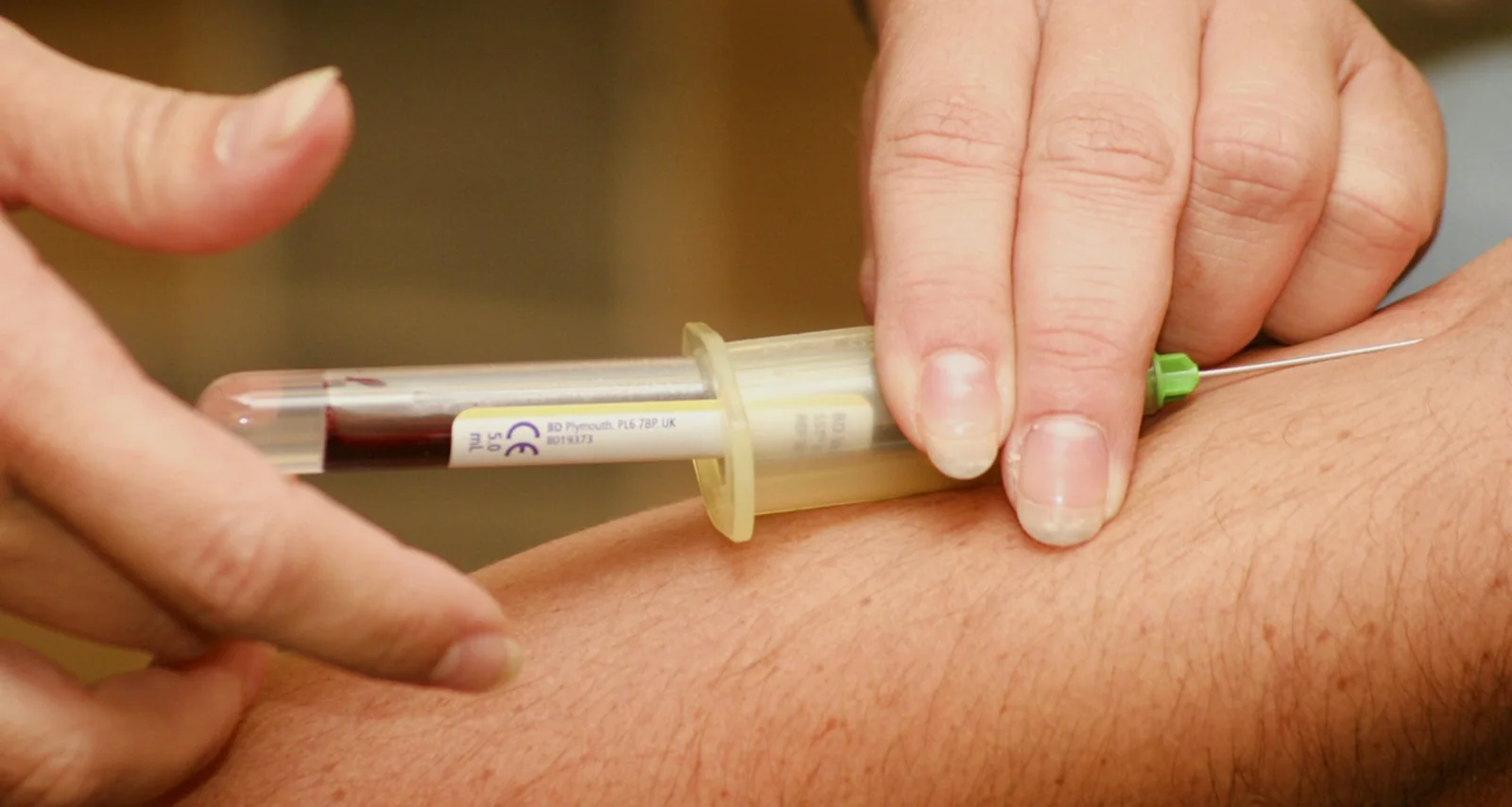
Which outcomes should be reviewed on different timescales?
The table below describes assessment windows from labels, guidelines and trials. It is not a schedule of guaranteed benefits.
| Outcome | Relevant window or evidence | What should be concluded |
|---|---|---|
| Testosterone exposure | Product-specific early sampling, such as gel titration in weeks. 3 | Whether the measured exposure is appropriate for that product. |
| Original symptoms | Clinical review over the first three to six months. 2 | Whether the intended symptom or sign is improving enough to justify continuing. |
| Hematocrit | Baseline and three to six months in Endocrine guidance, with individualized follow-up. 1 | Whether the red-cell response has become excessive. |
| Anemia | TRAVERSE measured correction at six months and later visits. 5 | A population-level benefit in men with hypogonadism and anemia, not a universal deadline. |
| Bone density | The Testosterone Trials bone substudy assessed changes after one year. 6 | A structural measurement, not proof that fractures will be prevented. |
| Fractures | TRAVERSE assessed events over years. 7 | Longer follow-up did not demonstrate fracture prevention. |
Separating these clocks prevents two errors: stopping an appropriate treatment because a slow endpoint has not changed immediately, and continuing indefinitely because an unresponsive symptom is always said to need more time.
How soon should energy, libido or erections improve?
There is no reliable universal deadline for these symptoms, and they should not be grouped together. Sexual desire, erection quality and fatigue have different causes. A response depends on whether testosterone deficiency was contributing and whether another untreated condition remains. 1
In the Testosterone Trials, 790 symptomatic men aged at least 65 with testosterone below 275 ng/dL received gel or placebo for one year. Sexual activity and desire improved, but the primary vitality outcome did not improve significantly. The result does not support telling every patient that more time on testosterone will eventually resolve fatigue. 4
For tracking, choose a concrete description rather than an overall feeling of optimization. Record whether desire changed, whether erections changed, or whether fatigue still limits a particular activity. The separate articles on libido and erections and energy and fatigue explain why a response in one area cannot be assumed in the other.
What can anemia and bone changes tell you?
Objective changes can be useful when they match the original indication. In the TRAVERSE anemia analysis, anemia correction was more common with testosterone than placebo at assessed visits, including six months. This finding applies to men with confirmed hypogonadism and anemia in that trial and does not remove the need to investigate bleeding, nutritional deficiency or other causes. 5
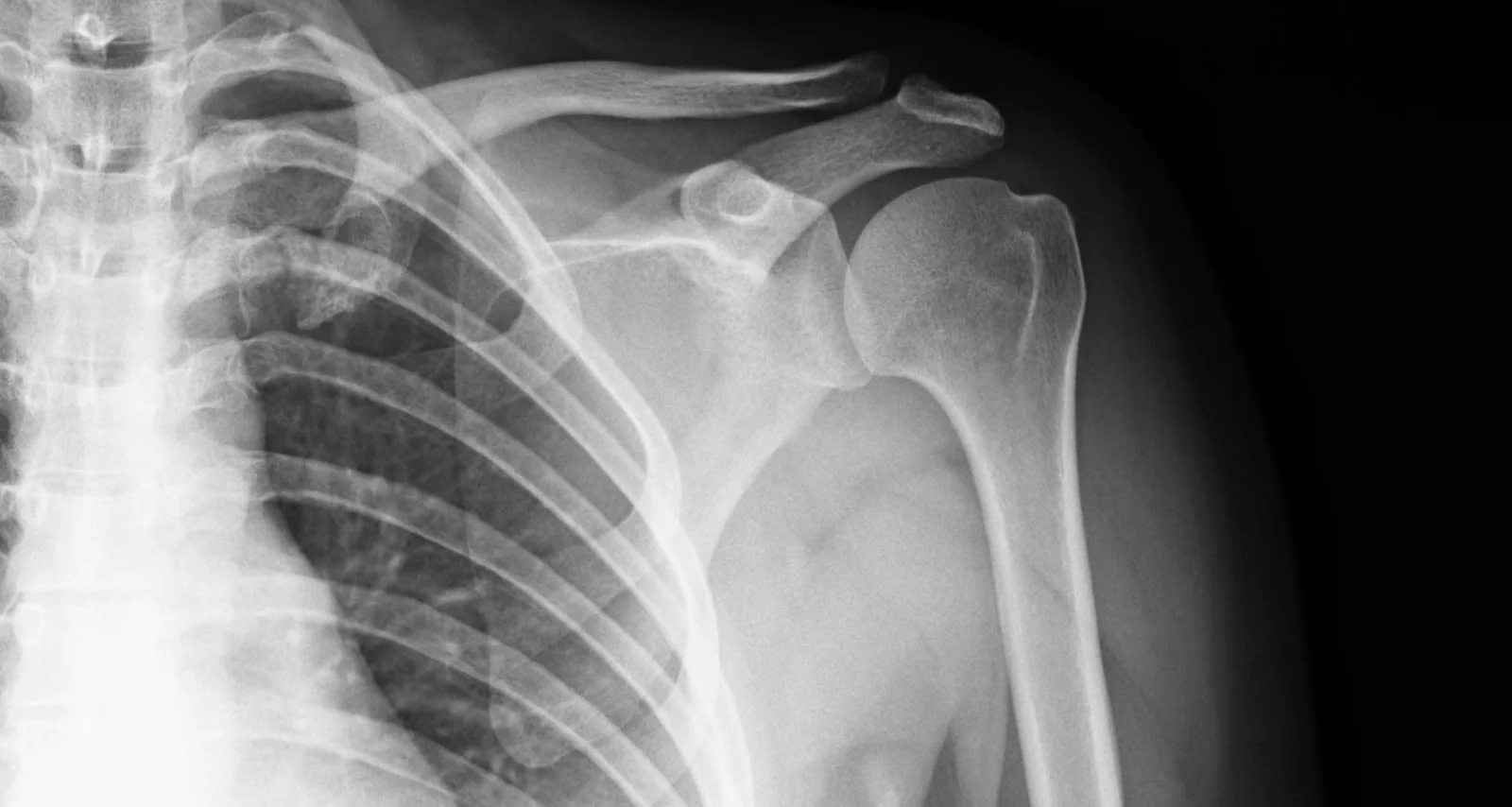
Bone outcomes demonstrate the importance of endpoint choice. A 211-man controlled trial found improved volumetric bone density and estimated strength after one year. The later TRAVERSE fracture study did not show fewer clinical fractures and instead found a higher fracture incidence in the testosterone group. 6 7
The practical consequence is that a favorable scan should not be used to promise protection from falls or fractures. A man at fracture risk needs a bone-health plan with appropriate assessment and treatment, whether or not testosterone is part of care. Longer treatment does not convert a surrogate endpoint into a proven clinical benefit.
When should lack of improvement prompt a new decision?
The AUA recommends discussing cessation after three to six months when testosterone concentrations have normalized but symptoms or signs have not improved. That recommendation treats lack of clinical benefit as meaningful information. It does not imply that the next step is automatically a larger prescription. 2
First establish whether the exposure was actually interpretable and adequate. Then reconsider the original diagnosis, competing causes, adherence, treatment burden and the specific goal. Fatigue from sleep apnea or depression, for example, may persist while a testosterone result changes. The treatment review should be able to identify that mismatch. 1
A symptom may also improve partly rather than completely. The decision then concerns the size and importance of that benefit compared with adverse effects and ongoing obligations. A written baseline makes this discussion more useful than trying to reconstruct how someone felt months earlier.
How can progress be tracked without chasing every fluctuation?
Use a small number of relevant measures and consistent review points. Keep administration timing, laboratory timing, adverse effects and the original symptom together in the record. Daily ups and downs are less informative than a sustained pattern assessed in context.
The monitoring plan should include blood pressure and hematocrit alongside hormone exposure. Feeling better does not prove these are stable. Conversely, a safe laboratory panel does not demonstrate that the treatment is delivering a benefit worth its burden. 3 1
Assess exposure, response and harm on their respective timelines. An early test confirms that the regimen can be assessed. A later symptom review asks whether it helps. Longer-term follow-up asks whether the balance remains acceptable. None of those checkpoints needs a promised transformation date to be useful.
Common questions
Does feeling a change after one administration prove the treatment will work?
Should the dose keep increasing until energy improves?
Persistent fatigue despite appropriate levels should prompt reassessment, not indefinite escalation. The AUA recommends discussing cessation when levels normalize without symptom or sign improvement after an appropriate trial.2
References
- 1.Bhasin S, et al. Testosterone Therapy in Men With Hypogonadism: An Endocrine Society Clinical Practice Guideline. JCEM. 2018.
- 2.Mulhall JP, et al. Evaluation and Management of Testosterone Deficiency: AUA Guideline. Journal of Urology. 2018.
- 3.ASCEND Therapeutics. AndroGel 1.62% prescribing information. DailyMed, revised October 2025.
- 4.Snyder PJ, et al. Effects of Testosterone Treatment in Older Men. NEJM. 2016.
- 5.Pencina KM, et al. Efficacy of Testosterone Replacement Therapy in Correcting Anemia in Men With Hypogonadism: A Randomized Clinical Trial. JAMA Network Open. 2023.
- 6.Snyder PJ, et al. Effect of Testosterone Treatment on Volumetric Bone Density and Strength in Older Men With Low Testosterone: A Controlled Clinical Trial. JAMA Internal Medicine. 2017.
- 7.Snyder PJ, et al. Testosterone Treatment and Fractures in Men with Hypogonadism. NEJM. 2024.
This article is for general education, not medical advice, diagnosis or a treatment recommendation. A licensed clinician can interpret the evidence in the context of your symptoms, tests, medicines and fertility plans.