


Low testosterone can cause reduced sexual desire, fewer spontaneous erections, and changes in muscle, bone, or red blood cells. Fatigue, low mood, and poor concentration are less specific because many conditions cause them. Diagnosis requires compatible symptoms or signs together with consistently low testosterone on properly collected repeat tests, followed by evaluation of the cause.12
Key points
- Sexual symptoms provide useful clues but do not prove a hormonal cause.2
- Fatigue and low mood overlap with many other medical and nonmedical conditions.13
- A normal or abnormal questionnaire score cannot replace repeat hormone testing and clinical assessment.13
Which symptoms are most suggestive of low testosterone?
A persistent reduction in sexual desire and a change in spontaneous or morning erections can justify discussing testosterone testing. They are particularly useful when they represent a clear change from a person's usual pattern and occur alongside other compatible findings. Erectile dysfunction may be part of that picture, but it also has vascular, neurological, medication-related, psychological, and relationship-related explanations.1 2
In the European Male Ageing Study, investigators assessed 3,369 men aged 40-79 and separated the data into training and validation groups. Three sexual symptoms formed a more coherent association with low testosterone than the broader collection of fatigue, mood, and physical complaints. The study was observational and focused on middle-aged and older men, so its symptom combination is not a universal diagnostic rule.2
The useful clinical question is whether the symptoms and the laboratory pattern fit together. Neither side can carry the diagnosis alone.
Why are fatigue and brain fog weak clues by themselves?
Fatigue, low motivation, difficulty concentrating, and low mood are real symptoms with a broad set of possible causes. Sleep loss, sleep apnea, depression, medication effects, anemia, thyroid disease, and other illness can resemble the complaints often labeled low T. Some can also affect testosterone measurements, creating an association without establishing which problem caused which.1
A preventive-clinic study of 2,994 men aged 50-79 found no association between total testosterone and fatigue, depression, or erectile dysfunction; reduced libido had a modest association. This does not cancel the European findings: the cohorts, symptom measures, and hormone definitions differed. Together, they show why a symptom questionnaire cannot reliably function as a hormone test.3
For a person whose chief concern is exhaustion, the evidence on testosterone and fatigue helps separate documented treatment findings from a broad promise of more energy. Testing should sit within a wider assessment of what changed and when.

What physical findings can accompany testosterone deficiency?
Reduced body hair, smaller testes, breast enlargement, loss of muscle, low-trauma fractures, or otherwise unexplained anemia can raise concern when they fit the history. The findings vary with severity, duration, and when deficiency began. A condition that prevents normal pubertal development looks different from one acquired after decades of normal hormone function.1 4
Some changes are easy to overinterpret. Beard density varies naturally, strength depends on training and illness, and increased waist size has many causes. A photograph, gym plateau, or comparison with a sibling cannot establish hormone deficiency. A clinician looks for the combination of history, examination, and laboratory evidence.
Infertility may occur with hormonal disease, but a testosterone result cannot measure sperm production. A fertility assessment can be appropriate even when sexual function seems normal. Similarly, a fracture or anemia needs its own evaluation rather than being attributed to testosterone before other causes are checked.
How should different symptom patterns change the next step?
The most useful symptom list suggests what to investigate, rather than awarding points toward a prescription. It does not estimate individual probabilities or replace examination.1 2 3
| Presentation | Why testosterone may be considered | What else needs attention |
|---|---|---|
| Reduced desire plus fewer spontaneous erections | A more coherent androgen-related symptom pattern 2 | Medication changes, mood, sleep, relationship context |
| Fatigue with snoring and daytime sleepiness | Hormonal and sleep problems can coexist 1 | Sleep-disordered breathing and other fatigue causes |
| Erectile difficulty with preserved desire | Testosterone may still be checked in the right context 1 | Vascular risks, medications, neurological and psychological factors |
| Infertility or small testes | May indicate testicular or pituitary dysfunction 1 | Semen analysis and reproductive evaluation |
| New headache or visual change with hormonal symptoms | May indicate a problem beyond isolated testosterone 1 | Prompt clinical assessment for pituitary or other disease |
Does the timing of symptoms help identify the cause?
Yes. Gradual symptoms, abrupt symptoms after a medication change, and symptoms after stopping anabolic androgens pose different questions. An assessment should record the onset, persistence, severity, and effect on daily life rather than simply whether a symptom is present today.1
Illness, substantial weight change, restricted eating, heavy training with inadequate recovery, opioid use, and glucocorticoid exposure may matter. These details do not prove a cause, but they make subsequent testing more interpretable. Prescribed medicines should not be stopped just to improve a hormone result; the clinician needs an accurate picture of the current situation.
The causes of low testosterone include testicular disorders and reduced signaling from the brain or pituitary. A symptom that appeared after a specific event can help decide which possibilities to pursue, while persistent unexplained symptoms may justify a broader workup.
What tests are needed when symptoms fit?
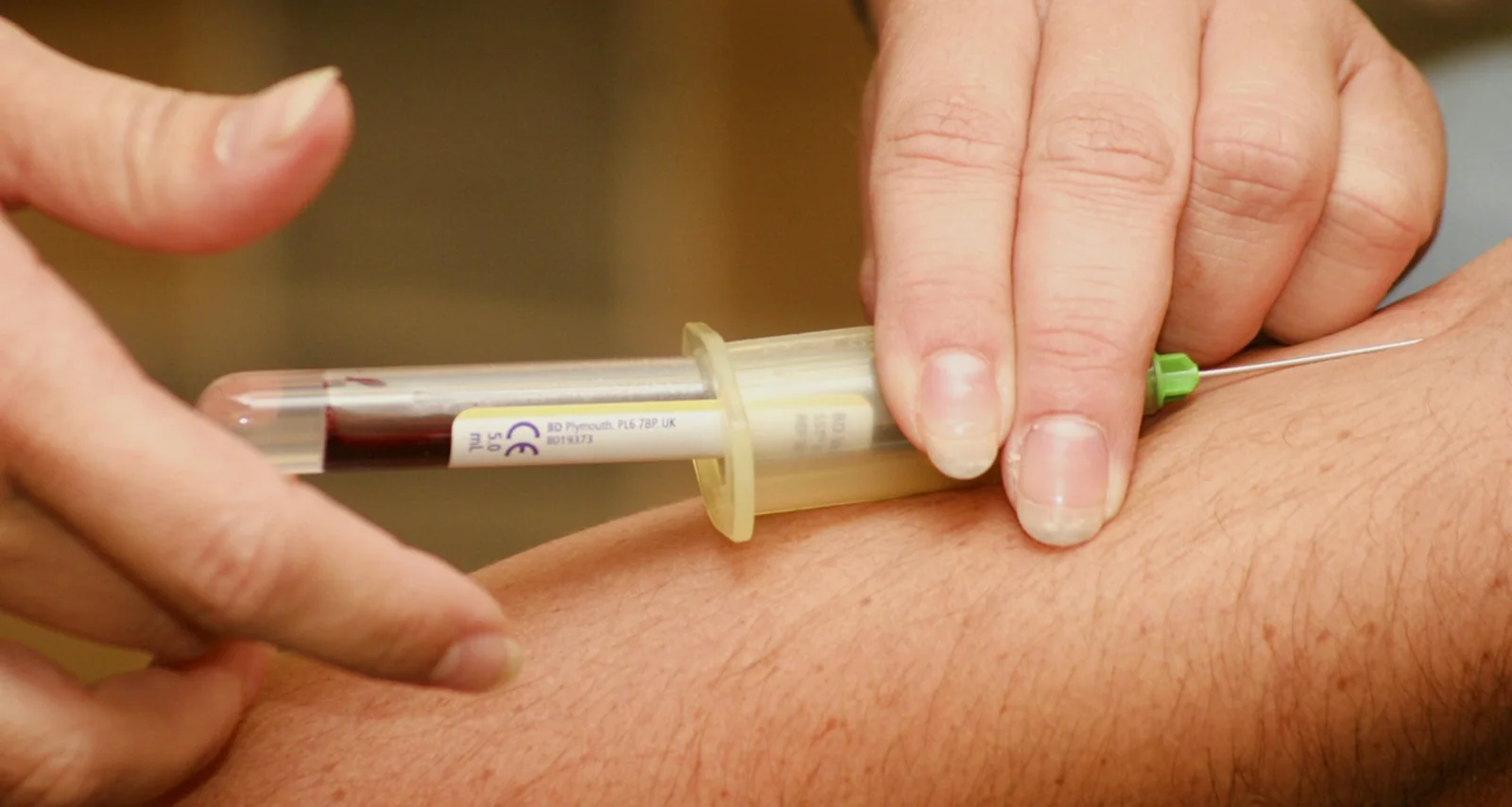
Symptoms consistent with testosterone deficiency usually lead to a morning total testosterone measurement and a repeat on a separate morning if the result is low. The Endocrine Society recommends fasting samples and accurate methods. Acute illness and unusual collection conditions can distort the picture.1
If total testosterone is borderline or SHBG is altered, an appropriate free testosterone result may help. In an observational European cohort analysis, men with normal total testosterone but low calculated free testosterone had more androgen-related findings, while the discordant low-total, normal-free group differed. This supports considering binding proteins, not diagnosing everyone with a low calculated number.5
The practical collection steps are explained in the testosterone blood test guide. Once low testosterone is confirmed, LH and FSH help direct investigation of the cause. A testosterone result should open the relevant clinical question, not immediately close it with a treatment decision.
What should you record before discussing symptoms?
A short, concrete history is more useful than a long checklist with every common complaint selected. Record when the main symptom began, how often it occurs, whether it is worsening, and what it prevents you from doing. Describe sexual desire separately from erection quality and fatigue separately from sleepiness. Those distinctions guide different investigations.1
Include important events around the onset: a new medicine, illness, change in work schedule, major weight change, or outside hormone exposure. Record how much the symptom differs from your usual baseline rather than from an idealized picture of how someone your age should feel. If there are previous laboratory results, bring the complete reports with collection details rather than only the lowest value.
This is a way to improve clinical reasoning, not a validated diagnostic scoring system. A diary cannot determine testosterone status, and daily tracking should not become an attempt to match every fluctuation to a hormone explanation. The cohort evidence shows why broad symptom burden can be a poor proxy for a blood concentration.2 3
At follow-up, the same concrete description can help assess whether the original concern changed. If laboratory values improve but the main symptom does not, that discrepancy is useful information. It supports reconsidering other contributors rather than assuming the treatment needs to push testosterone higher indefinitely.
Would improvement on testosterone prove that low T caused the symptoms?
No. A treatment response by itself is not a reliable retrospective diagnostic test. Symptoms fluctuate, expectations influence subjective experience, and other changes may happen at the same time. Conversely, a person with a well-supported deficiency may not experience improvement in every complaint.1
It is more useful to identify specific goals before treatment: for example, change in sexual interest, rather than a vague aim to feel optimized. Follow-up should compare those goals with adverse effects and the laboratory response. A normalized number with persistent symptoms invites reconsideration of the original explanation.
Treatment evidence must also be matched to the population studied. Findings in men with confirmed hypogonadism cannot establish benefits for a person with normal hormone levels and nonspecific tiredness. Clear baseline documentation protects against endless dose escalation in pursuit of a symptom that has another cause.
Common questions
Can low testosterone cause symptoms without erectile dysfunction?
Yes. Reduced desire, bone or blood findings, or other features may occur without erectile difficulty. The absence of one symptom does not rule out all forms of hypogonadism.1
Does waking without an erection one morning mean low testosterone?
Should a symptom checklist determine whether I receive treatment?
When should symptoms lead to faster assessment?
New visual changes, a new severe headache, a testicular lump, or other abrupt concerning changes require prompt medical assessment. They should not be managed by arranging a routine testosterone test alone.1
References
- 1.Bhasin S, et al. Testosterone Therapy in Men With Hypogonadism: An Endocrine Society Clinical Practice Guideline. Journal of Clinical Endocrinology & Metabolism. 2018.
- 2.Wu FCW, et al. Identification of Late-Onset Hypogonadism in Middle-Aged and Elderly Men. New England Journal of Medicine. 2010.
- 3.DeFina LF, et al. Traditional Signs and Symptoms Commonly Attributed to Hypogonadism Do Not Correlate With Testosterone Levels: The Cooper Center Longitudinal Study Experience. Journal of Investigative Medicine. 2020; published online 2019.
- 4.National Library of Medicine. Testosterone Levels Test. MedlinePlus.
- 5.Antonio L, et al. Low Free Testosterone Is Associated with Hypogonadal Signs and Symptoms in Men with Normal Total Testosterone. Journal of Clinical Endocrinology & Metabolism. 2016.
This article is for general education, not medical advice, diagnosis or a treatment recommendation. A licensed clinician can interpret the evidence in the context of your symptoms, tests, medicines and fertility plans.